Local Rank Checker & Local SEO: A Guide to Google Maps Rank Tracker
Use Local Rank Checker to monitor Google Maps visibility, optimize GBP, and understand the local SEO signals that drive rankings effectively in 2026.
Table of contents

Supera a la competencia con Google Maps
Gestiona y rastrea la visibilidad de tus Perfiles de Negocio de Google
Local SEO in 2026 is no longer about “ranking for a city.” Visibility in Google Maps and the local pack changes by neighborhood, device, and intent. At the same time, users increasingly convert without visiting your website at all - calls, direction requests, bookings, and messages happen directly inside Google. That makes local rank tracking and Google Business Profile (GBP) management a core growth system, not a side task.
This guide explains what truly moves rankings in 2026, what changed since 2024, and how to build a repeatable workflow for improving Google Maps visibility. You’ll learn how to interpret the local algorithm, what to optimize inside GBP and on your site, how to measure performance with geo-based tracking, and how to use AI responsibly to accelerate analysis and decision-making.
Local SEO Fundamentals in 2026: How Google Decides Who Shows Up
Local results are still built on three pillars that define almost every success and failure in Google Maps:
-
Relevance: how well your business matches the query (services, categories, content, and intent).
-
Distance: how close you are to the searcher or the location implied by the query.
-
Prominence: how well-known and trusted your business appears across the web and in real-world signals (reviews, mentions, links, brand strength).
What’s important in 2026 is how these pillars interact. You cannot fully “solve” distance. Instead, you win by maximizing relevance and prominence within the zones where distance is competitive. This is why local rank tracking must be location-based (geo-grid), not a single “average position” metric that hides the real story.
Why Google Maps Visibility Matters More Than Ever?
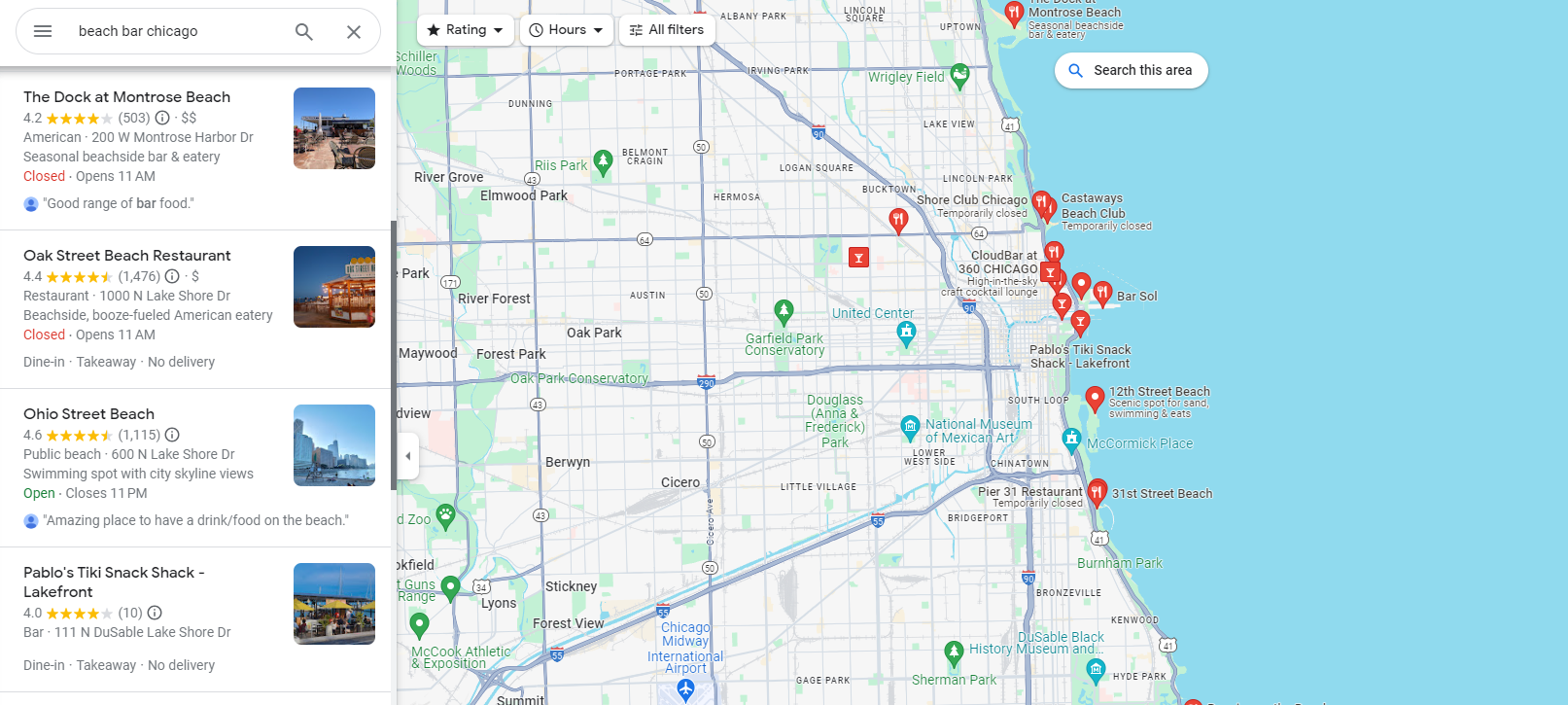
In many industries, Google Maps is the highest-intent discovery channel: users search and act immediately. The practical outcome is a shift from “traffic-first SEO” to “action-first local visibility.” Your success should be measured by the actions Google surfaces:
-
Calls and call-through rate
-
Driving direction requests
-
Bookings / appointments and form submissions
-
Website visits (still valuable, but not the only path)
Because many conversions happen in-platform, your GBP becomes a primary conversion surface. This also means that a ranking increase that doesn’t improve actions can still be a problem in profile quality, offer alignment, or user trust signals.
Google Business Profile in 2026: Optimization That Actually Works
A complete, accurate Google Business Profile (GBP) is the baseline requirement - not a differentiator. Your advantage comes from how well your profile communicates what you do, for whom, and why you’re the best option in that area.
1. Profile accuracy and entity consistency (the non-negotiables)
Local SEO becomes fragile when Google sees conflicting information. Make sure your business details are consistent across GBP, your website, and trusted sources:
-
Name: use your real-world business name only - avoid extra keywords or location stuffing.
-
Address / service area: match real operations and follow guideline-compliant setup for storefront vs. SAB (service-area business).
-
Phone and website: keep them stable; frequent changes can reduce trust.
-
Hours and special hours: keep them current to prevent negative user signals and trust loss.
2. Category strategy: the fastest lever for relevance
Your primary category is one of the strongest relevance signals. In 2026, category mistakes are still among the top reasons businesses underperform. Use:
-
One precise primary category aligned with your core revenue.
-
Secondary categories to support additional services without confusing your main intent.
When you change categories, track rankings immediately (before / after) using geo-grids. Category changes can improve visibility fast - but can also destabilize performance if done without intent alignment.
3. Services, products, attributes, and “proof” signals
In 2026, Google is better at extracting meaning from structured fields. Use them fully:
-
Services and products: add complete, accurate lists that match how customers search.
-
Attributes: choose relevant attributes to reduce decision friction (e.g., accessibility, payment methods, delivery, appointments).
-
Description: write clearly for users; avoid keyword stuffing.
Think of your GBP as a local landing page. A user should understand your offer in under 10 seconds, and Google should have no doubt what you’re the best match for.
4. Reviews in 2026: quality, velocity, and response strategy
Reviews remain a major driver of prominence and conversion. Strong review performance is not just “more stars.” In 2026, what matters most is:
-
Consistency: steady acquisition over time beats short spikes.
-
Coverage: reviews that mention specific services and outcomes strengthen relevance signals.
-
Responses: timely, helpful replies improve trust and can reduce churn.
Build a process: request reviews after successful outcomes, segment your requests by service type, and respond with a consistent brand voice. Never incentivize or fabricate reviews - risk and long-term damage are not worth it.
5. Posts, Q&A, and conversion surfaces
Posts and Q&A rarely “rank you up” on their own, but they can increase conversions and reinforce relevance. Use posts to highlight offers, seasonal services, or proof. Monitor Q&A so incorrect answers don’t mislead users or create support burden.
Also ensure your booking links, appointment URLs, and landing pages match the intent you are trying to rank for. Relevance is not only a ranking signal - it’s a conversion signal.
Local SEO Beyond GBP: Your Website and Off-Site Signals
To grow beyond your immediate radius, you need strong supporting signals outside GBP. In 2026, the best performers combine GBP excellence with a clean on-site local architecture and credible prominence signals across the web.

1. Location pages and service pages that are actually useful
Thin “city pages” are unreliable and often fail to convert. Instead, build pages that help users make decisions:
-
Clear service explanations (what’s included, who it’s for, common problems solved)
-
Local proof (case studies, testimonials, before / after, service coverage)
-
FAQs that match local intent
-
Fast paths to conversion (call, booking, quote)
For multi-location businesses, each location should have its own strong page and internally linked context. For service-area businesses, focus on service pages and proof, not fake location footprints.
2. Structured data and consistency signals
Use structured data where appropriate to reinforce entity details and service understanding. The goal is clarity: consistent name, address/area, phone, and business type. Structured data won’t replace GBP, but it reduces ambiguity and helps align your web entity with your local entity.
3. Citations, mentions, links, and local PR
Prominence is built by credible third-party confirmation. In 2026, quality outweighs quantity:
-
Major platform consistency: keep data aligned across key directories and data sources relevant to your country/industry.
-
Local links: chambers, local media, sponsorships, community partnerships, industry associations.
-
Brand mentions: coverage that confirms your real-world presence and expertise.
When planning outreach, prioritize relevance and legitimacy. A small number of strong local mentions can outperform dozens of weak directory listings.
Google Maps Rank Tracking in 2026: What a "Local Rank Checker" Must Do
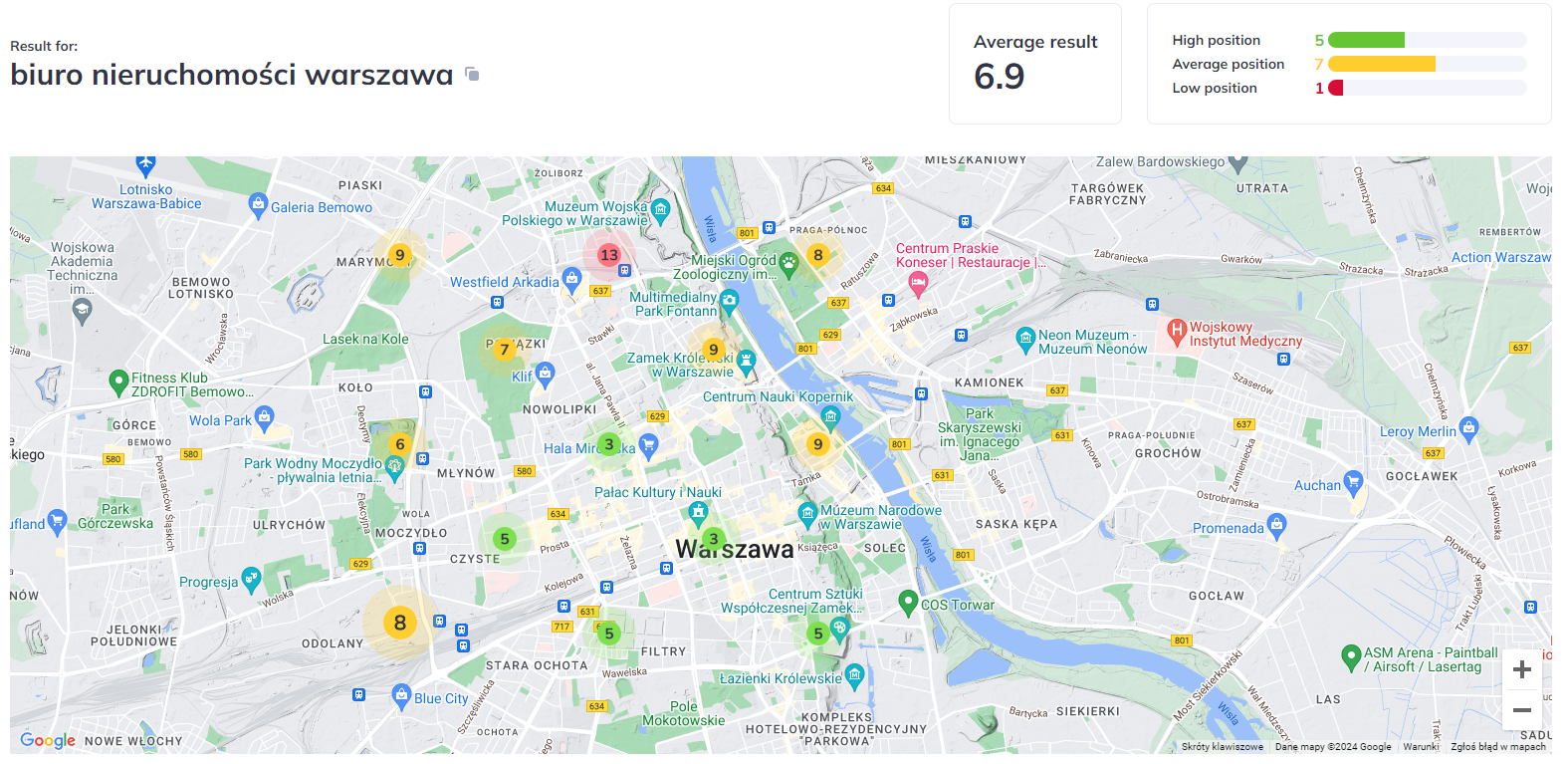
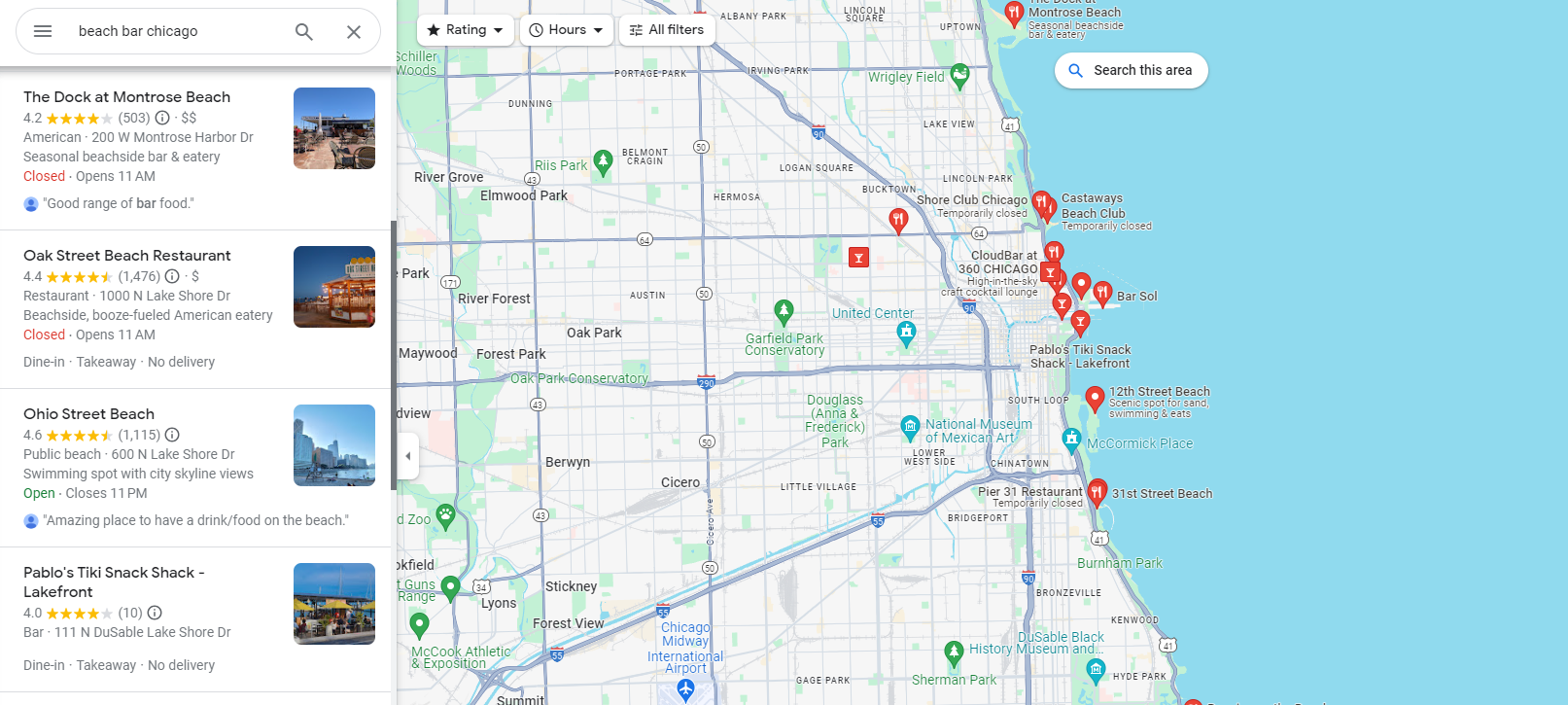
In local search, a single keyword position is misleading. Rankings vary by proximity and context. A modern local rank checker should measure visibility like a map - not a list.
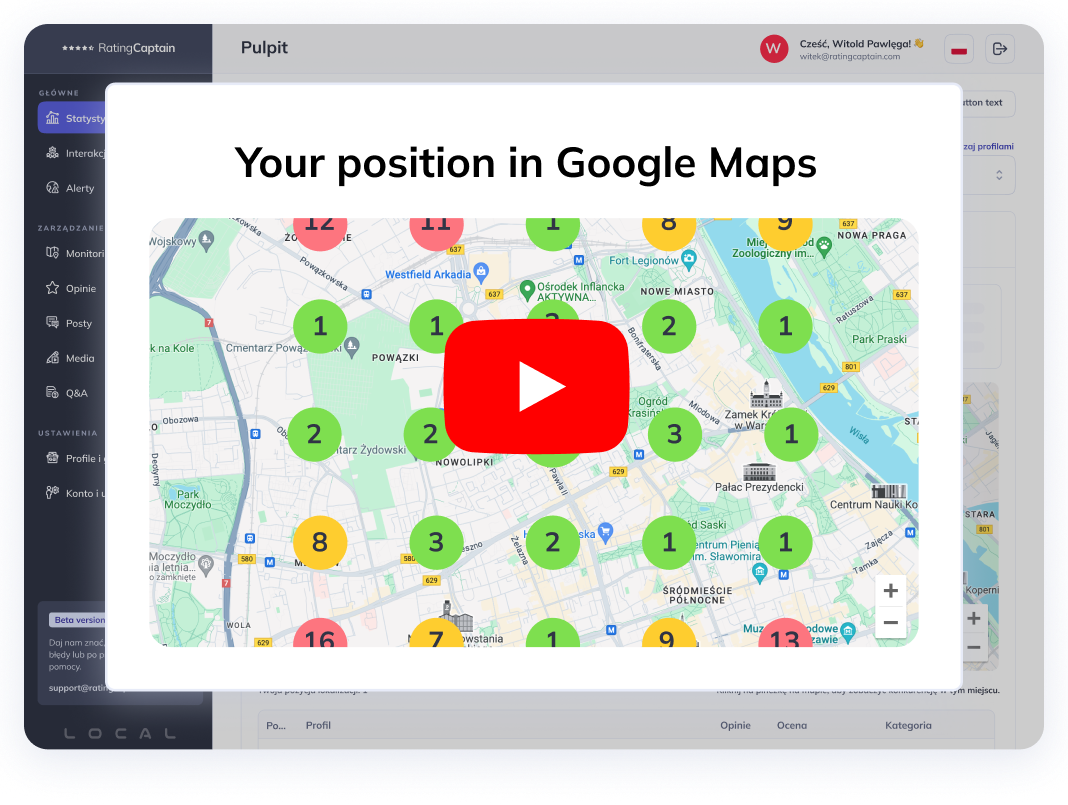
1. Track geo-grids, not a single point
Geo-grid tracking shows where you rank across a real area: neighborhoods, suburbs, and key commercial zones. This helps you:
-
Find your strongest visibility zones
-
Detect competitive pressure pockets
-
Prioritize actions by business impact (where the demand is)
2. Separate Local Pack vs. Google Maps
Local pack and Maps results can differ. Track both when possible because they influence discovery in different ways. If you only track one surface, you can misdiagnose progress or drops.
3. Segment by device and intent
Mobile results often drive the highest-intent actions. Track mobile vs. desktop, and segment keywords by intent:
-
Brand: “your business name”
-
Category: “dentist”, “pizzeria”, “hair salon”
-
Service + modifier: “emergency plumber”, “24/7 locksmith”, “best dentist for implants”
This segmentation tells you whether you are growing discovery (non-brand) or simply protecting demand (brand).
4. Use change logs to connect cause and effect
Rank tracking becomes powerful when paired with a history of changes. Log:
-
Category changes
-
Major GBP edits (hours, address, phone, URL, service lists)
-
Website updates (new pages, rewrites, internal linking changes)
-
Review spikes (positive or negative)
Without change logs, you’ll struggle to learn from your own experiments.
Master Local SEO with Rating Captain Local
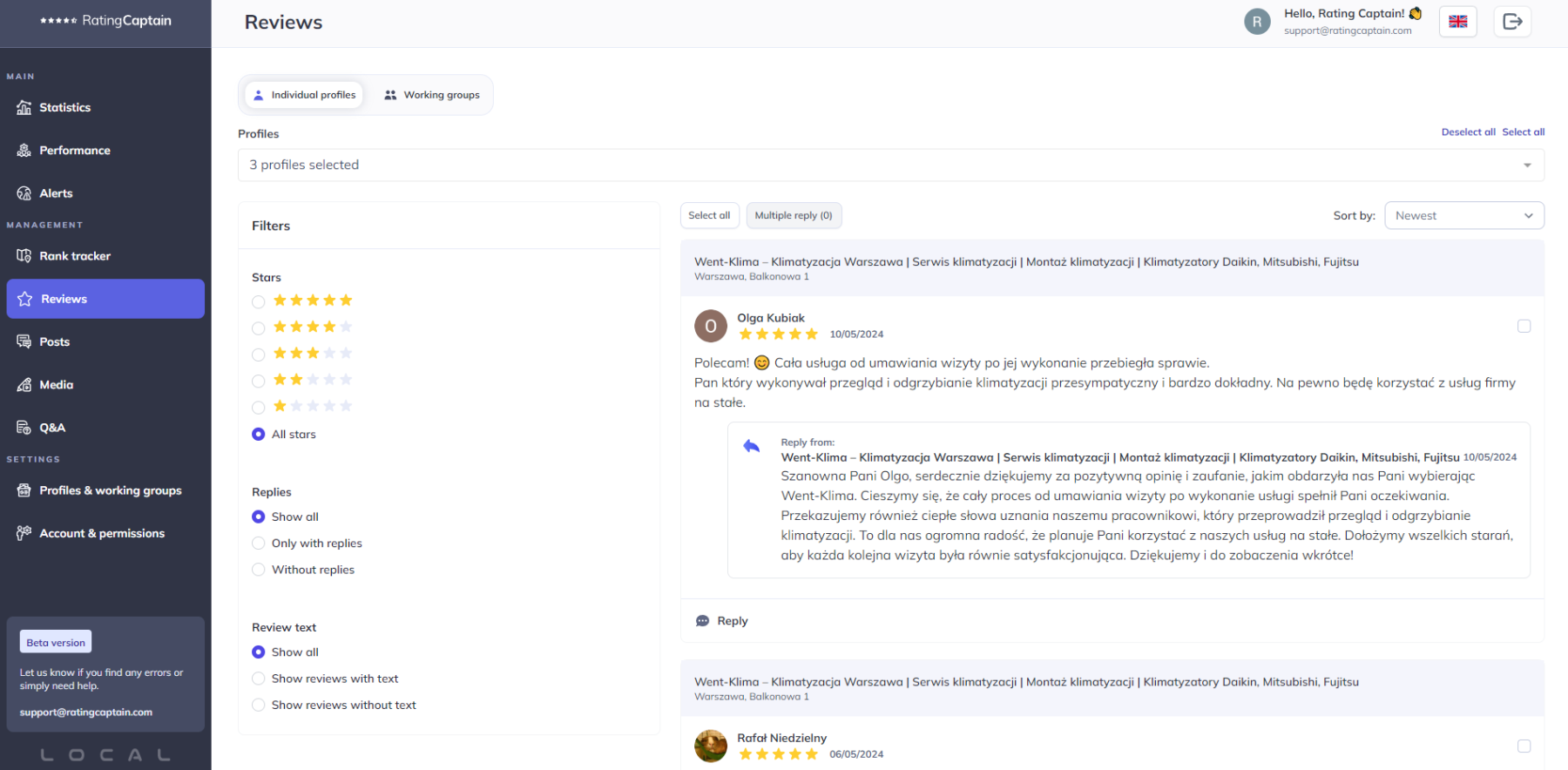
Uncover the potential of Rating Captain Local as your reliable local rank tracker. This local SEO tool is designed to assist you in tracking local search results effectively and effortlessly. Understand how tracking data from Rating Captain Local can be your secret weapon to stay ahead of the competition.
Local SEO Workflow for 2026: A Repeatable System That Scales
Most local SEO programs fail because they are reactive. The best programs run on routines.
Weekly routine
-
Check geo-grid heatmaps for major drops or gains
-
Respond to new reviews and monitor Q&A
-
Verify profile integrity (unexpected edits, category shifts, duplicates)
Monthly routine
-
Benchmark competitors: categories, reviews, listing completeness, content themes
-
Refresh services / products and adjust based on demand
-
Identify the top 3 ranking opportunities from tracking data
Quarterly routine
-
Audit citations and entity consistency
-
Improve location / service pages and internal linking
-
Plan local PR and partnership outreach for prominence growth
This routine turns Local SEO into a compounding system: clarity improves relevance, improved relevance increases visibility, visibility drives engagement, engagement supports prominence, and prominence helps you win more grids.
AI and Local SEO in 2026: Using AI to Improve, Not to Risk Your Listing
AI is now part of how people search and how results are summarized. That means your content and entity signals should be easy to understand and trustworthy. AI is most valuable when it accelerates analysis and documentation - not when it generates spam.
Safe and effective AI use cases in Local SEO include:
-
Review intelligence: summarize review themes to identify strengths, issues, and new service opportunities.
-
Content planning: produce outlines for service FAQs and local guides, then refine with real expertise.
-
Consistency checks: scan for NAP inconsistencies across pages and listings.
-
Competitor pattern analysis: identify category / service gaps and content angles that competitors use to win.
Avoid risky tactics: fake reviews, spun location pages, misleading listing edits, or keyword-stuffed business names. In 2026, compliance and trust are growth multipliers.
GBP Audits in 2026: The Checklist That Prevents Drops
Regular audits reduce performance decay and minimize suspension risk. A strong GBP audit includes:
-
Data audit: name, categories, address / service area, hours, phone, website, appointment links, attributes.
-
Content audit: posts cadence, Q&A accuracy, photo relevance and freshness (where used), service / product completeness.
-
Trust audit: review trend, response coverage, recurring complaint themes, operational fixes.
-
Competitive audit: how top competitors position categories, service lists, and proof elements.
-
Measurement audit: ensure rank tracking grids match real business areas and demand clusters.
Audits work best when they result in a prioritized action list tied to rank tracking outcomes and business goals.
Bullet Point Summary: What to Do Next
-
Anchor your strategy in relevance, distance, and prominence - and accept distance limits.
-
Optimize GBP for clarity, completeness, and guideline compliance.
-
Build a review system focused on steady velocity and service-specific proof.
-
Strengthen website location / service pages to support relevance and conversion.
-
Grow prominence through credible mentions, local links, and brand-building.
-
Track rankings with geo-grids, segment by intent and device, and keep change logs.
-
Use AI to accelerate analysis and planning - never to generate spam or fake signals.
-
Run weekly / monthly / quarterly routines so performance compounds over time.
When you combine a well-optimized Google Business Profile, strong on-site local content, credible prominence signals, and modern geo-based rank tracking, you turn Local SEO into an operational advantage. In 2026, the winners are not the businesses that “do SEO once,” but the ones that measure continuously, improve systematically, and stay compliant while building real-world trust.
Share this article
Short description (you can edit)
Tip: you can edit the description before sharing on WhatsApp or adding as Facebook quote
Author of the post
SEO Specialist
Tomasz is an SEO specialist with many years of experience in optimizing websites for search visibility. At Rating Captain, he focuses on data analysis, content strategy, and technical SEO. His mission is to connect effective SEO practices with real business goals.
Please rate this article
Supera a la competencia con Google Maps
Gestiona y rastrea la visibilidad de tus Perfiles de Negocio de Google