Voice Search Optimization & SEO: How to Optimize Your Website for Voice Search
Voice search is growing fast. Optimize content for Google Assistant, Siri, and Alexa to keep your SEO strategy visible, competitive, and future-ready.

Table of contents
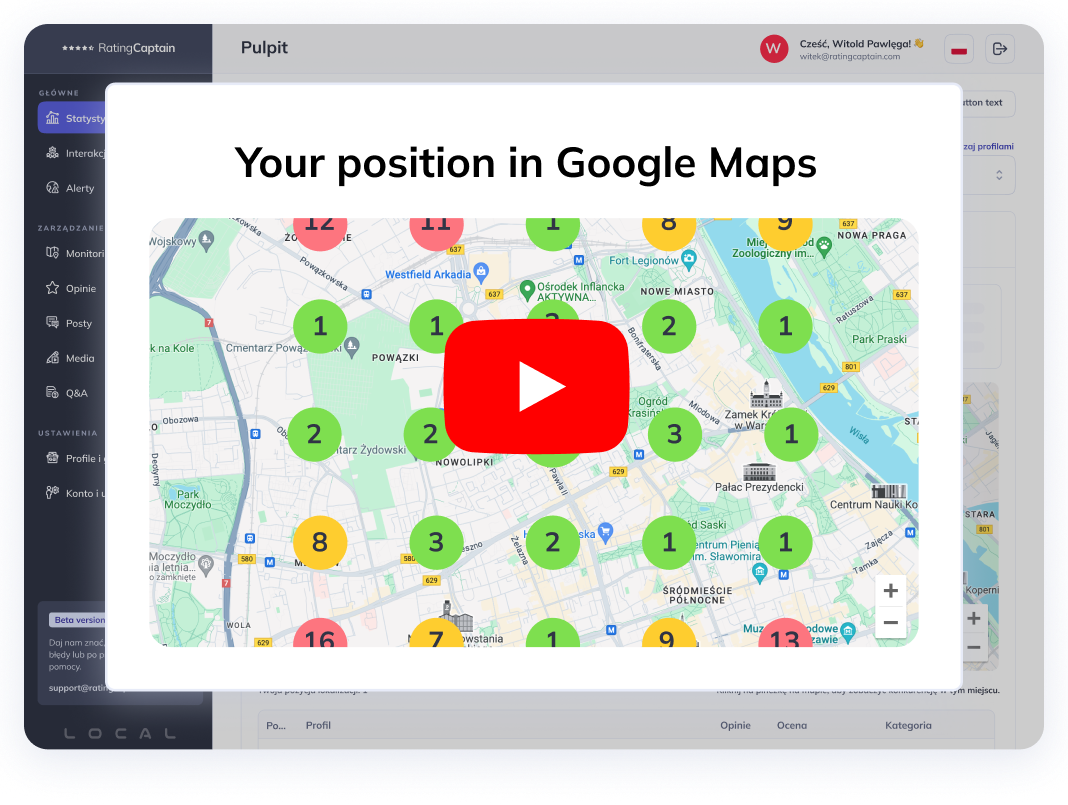

Local SEO-Werkzeug für Agenturen
Automatisieren Sie Ihr lokales SEO und verfolgen Sie die Sichtbarkeit in Google Maps
More and more users are choosing to speak to a voice assistant instead of typing into a traditional search engine. Thanks to the rapid development of speech recognition technologies like Google Assistant, Siri, and Alexa, searching by voice is becoming a natural behavior - especially on mobile devices. This shift is forcing brands to rethink their content strategy and search engine optimization efforts. As a result, voice search optimization is no longer optional - it's an essential part of any forward-thinking SEO strategy.
What Is Voice Search Optimization and How Is It Different from Text Search?
Voice search optimization refers to the process of adapting your website and content for users who use voice assistants to conduct searches. Unlike traditional, text-based search, voice search queries are often longer, more conversational, and formulated as full questions. A voice searcher might say, “Where can I find a good dentist near me?” instead of typing “dentist near me.”
This conversational nature of voice search changes how SEO professionals approach keyword usage. Search engine algorithms - especially Google’s - are now more focused on understanding context and search intent, not just matching exact keywords. To optimize your website for voice search, content must be structured in a way that clearly and naturally answers user questions, often in the form of FAQs, quick summaries, or featured snippets. Good website design helps voice search work better by being fast and easy to use. Working with a modern website design agency can help ensure your site is optimized for both voice search and user experience.
Why Is Voice Search Optimization Important?
Today, more than half of Google searches are made on mobile devices, and a growing share of those are done by voice. Voice assistants are no longer futuristic gadgets - they’re embedded in our smartphones, cars, smart speakers, and homes. As people increasingly use voice search to find local services, directions, and quick answers, websites that fail to keep up risk becoming invisible in voice search results.
For businesses, this shift in user behavior means that voice search SEO is now a key factor in online visibility. Appearing in voice search results can dramatically improve traffic, especially for local businesses that depend on quick, high-intent queries like “best pizza near me” or “pharmacy open now.”
Voice Search and Local SEO: Why They Work Together
Voice search and local SEO go hand in hand. Many voice searches have local intent, and Google knows it. When users use voice search to find nearby places, search engines like Google rely heavily on business listings, reviews, and accurate location data.
To rank well in local voice search, make sure your Google Business Profile is fully updated, including address, hours, and frequently asked questions. Incorporate local keywords into your content, including neighborhoods and street names, because voice searchers often mention those when speaking to a voice assistant.

How to Optimize Your Website for Voice Search
A successful voice search optimization strategy combines technical SEO with content written for real conversations. Here are the most effective ways to optimize your website for voice search:
-
Use a conversational tone: Write like you speak. Voice search queries are natural, often informal, and phrased as full questions. For example, instead of “plumber New York,” use “Who is the best plumber in New York?”,
-
Create FAQ content: FAQ pages work well for voice search because they align with how people ask questions. Format answers clearly and concisely,
-
Optimize for speed and mobile: The user experience must be seamless. Voice search users expect fast, accurate answers - so your site’s loading speed and mobile-friendliness directly impact performance,
-
Use structured data: Schema markup helps search engines understand your content better, increasing the chance of appearing as a featured snippet or top result in voice search results,
-
Target long-tail and voice search keywords: Focus on natural phrases and longer queries. Tools like Answer the Public or Google's “People Also Ask” can help identify common voice search keywords,
Additionally, track voice-related performance in Google Search Console and use analytics to refine your seo strategies. Understanding which keywords come from voice searchers allows for smarter content creation and more accurate targeting.
Voice Search SEO: A Shift in Search Strategy
Adopting voice search optimization strategies requires businesses to evolve their entire search engine optimization strategy. Today’s users expect immediate answers and seamless experiences. Optimizing for voice search helps meet those expectations by delivering relevant, well-structured, and context-aware content.
Google’s algorithms increasingly focus on user intent rather than just keyword matching. This means SEO efforts must align with real-life language and everyday questions users actually ask. Tracking voice search queries, updating technical SEO, and adapting to the future of search are now essential.
Why You Should Optimize Your Website for Voice Search
Voice search isn’t a passing trend - it’s becoming a standard method of finding information. People are speaking to their devices in the same way they would talk to another human. Brands that optimize their website for voice search will not only improve their search rankings, but also deliver a better user experience.
The benefits of voice search go beyond traffic. It’s about being where your users are, when they need you, and how they prefer to interact. Whether it’s capturing “near me” queries or appearing in voice-first devices, optimizing for voice search increases your visibility and relevance in the eyes (and ears) of today’s digital consumer.
Share this article
Short description (you can edit)
Tip: you can edit the description before sharing on WhatsApp or adding as Facebook quote
Author of the post
Please rate this article
Local SEO-Werkzeug für Agenturen
Automatisieren Sie Ihr lokales SEO und verfolgen Sie die Sichtbarkeit in Google Maps