How Small Businesses Can Use AI to Boost Brand Visibility
Small businesses work hard to get noticed, yet the online world keeps getting louder.

Table of contents
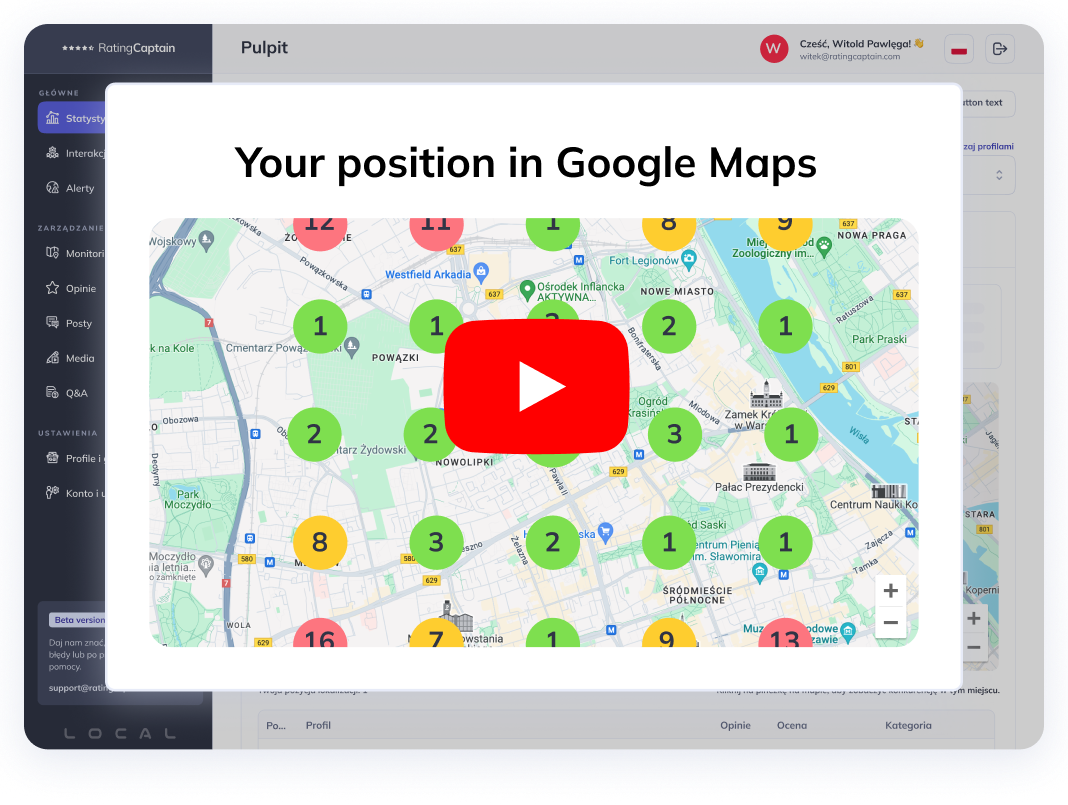

Supera a la competencia con Google Maps
Gestiona y rastrea la visibilidad de tus Perfiles de Negocio de Google
Small businesses work hard to get noticed, yet the online world keeps getting louder. Competing with bigger brands, limited budgets, and fast-changing trends makes visibility a daily challenge. To stay present and relevant, small teams need tools that save time and amplify what they already do well. AI offers exactly that. It’s no longer a specialized technology reserved for large companies. It’s now practical, affordable, and built for everyday use. With the right approach, AI can help small businesses create stronger content, reach the right audiences, and show up more often where it matters. This article walks you through how to begin with it.
The Growing Role of AI in Small Business Marketing
Artificial intelligence in small businesses is rising fast. A Thryv survey showed that adoption was up from 39 percent in 2024 to 55 percent in 2025. That is a sharp jump.
-
In that survey, many owners said these tools help them find new people. The tools put their content in front of the right audience at the right time.
-
They also aid teams in meeting customer expectations. Responses get quicker and feel more personal.
-
Today, these tools are used by many small teams every day. They exploit them to figure out what customers are interested in, what they are searching for, and how they think about the brand.
-
These tools also perform rote work. And with that, owners get more time freed up to plan and create.
-
They also save you from unnecessary expenses. This enables small businesses to invest more in areas that raise awareness, like advertising, social content, and community growth.
A 2025 ICIC study had similar findings. Nearly 89 percent of small business owners said that someone in their company is already utilizing these tools. It’s a clear demonstration that deploying AI is no longer an experiment. It has become a regular part of small businesses’ strategy.
How to Start With AI as a Small Business
Once you know the value AI can offer, starting the right way becomes much simpler.
Step 1: Define Clear Goals
Before you begin integrating artificial intelligence into your workflow, take a moment to observe what needs improving. Some small businesses want stronger brand visibility. Others want quicker customer replies or more consistent content output.
If your main goal is to reach audiences beyond your local market, focus on multilingual content. For example, you can experiment with video and use a free video translator to turn one video into several language versions without rebuilding it from scratch. This makes your brand easier to discover in new regions while reusing content you already have.
AI-powered translation helps remove barriers for international customers who may not speak your primary language. By adding accurate subtitles or localized voiceovers, you create a more personal and inclusive experience for your viewers. It also enhances engagement on global platforms like YouTube or TikTok, where language diversity can determine discoverability.
In addition, automated video translation saves hours that would otherwise go into manual editing or outsourcing. The more languages your content supports, the more markets your business can tap into, all with minimal extra production cost. Finally, these AI tools give small businesses a scalable solution to maintain consistency and professionalism across every language version.
Once you know what you want to achieve, it becomes much easier to select the right tools. Clear goals also prevent you from wasting time on features you do not need. A focused aim gives you a direct roadmap for every decision along the way.
Step 2: Start Small With A Pilot Project & Team Confidence
Start with a small pilot project (e.g., automating replies or basic analysis) to allow your team to learn without pressure and generate real results.
This pilot phase is crucial for moving from subjective to objective insights regarding team confidence. It lets you:
-
Detect problems early and modify your plan.
-
Gather data to objectively score team confidence and foster psychological safety.

Once the pilot is smooth and you have objective confidence data, you can grow with measured confidence.
Step 3: Invest in Training
Some small teams are hesitant to try AI because they don’t know much about it. This can be remedied with training, which needn’t take much time, or by contracting out for freelancers already expert in that tool.
Even basic guidance can help your team make confident decisions. Tips don’t just make the tools stronger; they also wield them more effectively: A trained team uses a tool better and gets stronger results.
Step 4: Measure and Iterate
Track your early progress via straightforward metrics once you’ve begun using AI. Monitor website traffic with the help of a trustworthy web traffic checker, customer engagement, lead quality, and satisfaction.
These numbers tell you what is getting better and where we’re not yet doing well enough. Take these tips and adapt your tools or a certain approach. Constant improvement will ensure your strategy remains helpful and connected to your objective.
Step 5: Scale Thoughtfully
Once your pilot gets you results, scale AI throughout more of your business. You can use it in your content marketing, ad optimization, customer segmentation, or even day-to-day tasks.
Tip: Go as slow as you can, so that you maintain control and quality. Each next step must be aligned with the main goals and shouldn’t be too hard on your team. With a good plan, you grow without losing your way.
AI Tools That Help Build Brand Awareness
To see real results, it’s important to know which AI tools can genuinely lift your brand’s visibility.
AI Writing Tools
You can use writing tools like ChatGPT, Jasper, or similar platforms to create blog posts, marketing copy, and social media content. They help you write faster and keep your message consistent. This saves time and supports your daily content needs.
Chatbots and Conversational Tools
You can add simple chatbots to your website or social pages. They answer common questions, provide support, and collect leads while you focus on other matters. This also gives customers quick replies when they need help.
AI Assistants
AI assistants such as Ulta AI can help users choose a suitable domain name or select hosting plans based on their needs. By asking a few basic questions, these tools guide users toward more fitting options and reduce confusion during setup.
Design Tools for Quick Visuals
Tools like Canva’s built-in features or other easy design platforms let you create graphics, short videos, and ads. You don’t need design skills to get clean and professional results. These tools make it simple to keep your visuals fresh.
Personalization and Basic Analytics
You can use simple analytics tools to understand how your customers behave. They help you group your audience and send content that feels more personal. This makes your message clearer and more effective.
Social Media Optimization
AI search optimization tools are becoming essential because visibility today is shaped by AI-driven ranking systems, not traditional timing alone. These tools help you understand what your audience is searching for, which formats AI surfaces more often, and which topics boost your share of voice.
Similarly, they analyze multiple signals instead of just one metric, thereby giving you clearer guidance on what to post and when to post for the best visibility.
Key Benefits of Using AI for Brand Visibility
To see why AI deserves a place in your strategy, consider the core benefits it brings.
Time Efficiency
AI helps small business owners save a significant amount of time each week. Many owners share that they regain more than twenty hours each month because routine tasks happen faster. This extra time lets them focus on strategy, relationship building, or new ideas.
As a result, they can grow their brand with less stress and more clarity. For many teams, improving customer feedback analysis becomes easier, too, thanks to AI-powered workflows.
Cost Savings
AI also helps small businesses lower their monthly expenses. Many owners report saving between five hundred and two thousand dollars every month. This extra money often goes back into marketing or daily operations.
It allows teams to grow without hiring new staff. This financial flexibility supports stronger brand reputation management, especially when businesses monitor and refine how they appear online.
Better Customer Engagement
AI tools help brands reply faster and with more personalized messages. Customers feel heard because they receive quick and helpful answers. This improves trust and keeps people connected to a brand. When engagement grows steadily, it becomes easier to earn more reviews as well.
Scalability
AI enables small businesses to scale their marketing and customer interactions without overwhelming the team. As your audience grows, these tools maintain the same level of speed and quality across platforms. This consistency also supports the increasing flow of customer feedback, including reviews, without adding extra workload.
Competitive Advantage
Small businesses can gain a powerful competitive advantage through the smart application of AI. They can communicate with customers via targeted messages, manage tasks more efficiently, and work faster.
This enables them to compete with larger brands, even without a big team. When applied the right way, AI helps small businesses look polished, operate more efficiently, and differentiate themselves in their market.
Obstacles & How to Overcome Them
To make the most of your efforts, you must first recognize the common hurdles and ways to address them.
Skills Gap
Not everyone on the team will be comfortable with unfamiliar tools. This is typical, especially when the tools feel new to you. You can fix this by providing some targeted training or opting for tools that are easier to use. Many small business owners also use a little outside help to get started. And your team will adapt more quickly with the right guidance.
Integration Issues
New tools sometimes just do not fit into your habits. This can slow down your team or lead to confusion. The optimal strategy is to start with a few small pilot projects and try to keep it as straightforward as possible. You can scale the tool into additional areas after you see consistent results. This careful approach makes the transition easier for everyone.
Measuring ROI
It’s harder to see a straight line between new tools and business growth. As such, defining metrics is useful from the start. Keep an eye on basic metrics, such as engagement, leads, and response rates. When you track these numbers closely, it is easier to know what you are doing that works. It also ensures that your decisions remain in line with your larger business objectives.
Data Privacy
Leveraging customer data can lead to more personalization, but it also comes with added responsibilities. You need to tread lightly with data and be transparent about what you are collecting.
Make sure you’re practising good privacy hygiene, and have the current rules that apply to your business. This will save your customers and build trust. A tough privacy stance also does wonders for your long-term brand image.
A Clear Path to Higher Visibility With Smarter Tools
AI is no longer futuristic. For small businesses, it is a simple, daily tool at their disposal. It can help you see better, save time, reduce costs, and engage customers in a more meaningful way. By starting with a clear purpose, testing one small idea, and growing gradually, you make it seamless to incorporate AI into your business.
If you want to lift your brand, begin with one simple project. You can add a smart chatbot or use a tool that helps you create content faster. Then watch the results closely. When you see your first wins, you gain the confidence to use more tools across your business. Each small win builds the next one.
To grow your reputation even faster, try tools that help you collect and manage customer reviews. A platform like ratingcaptain.com can guide you in gathering better feedback and turning it into trust. It is an easy next step if you want to strengthen your brand and boost visibility.
Author Bio:
Himaan Chatterji is a B2B SaaS content strategist and co-founder of Confiscore.com. When AFK, he is either latin dancing or cooking :)

Share this article
Short description (you can edit)
Tip: you can edit the description before sharing on WhatsApp or adding as Facebook quote
Author of the post
Please rate this article
Supera a la competencia con Google Maps
Gestiona y rastrea la visibilidad de tus Perfiles de Negocio de Google