How D2C Brands Can Leverage Local SEO for Omnichannel Growth

Table of contents
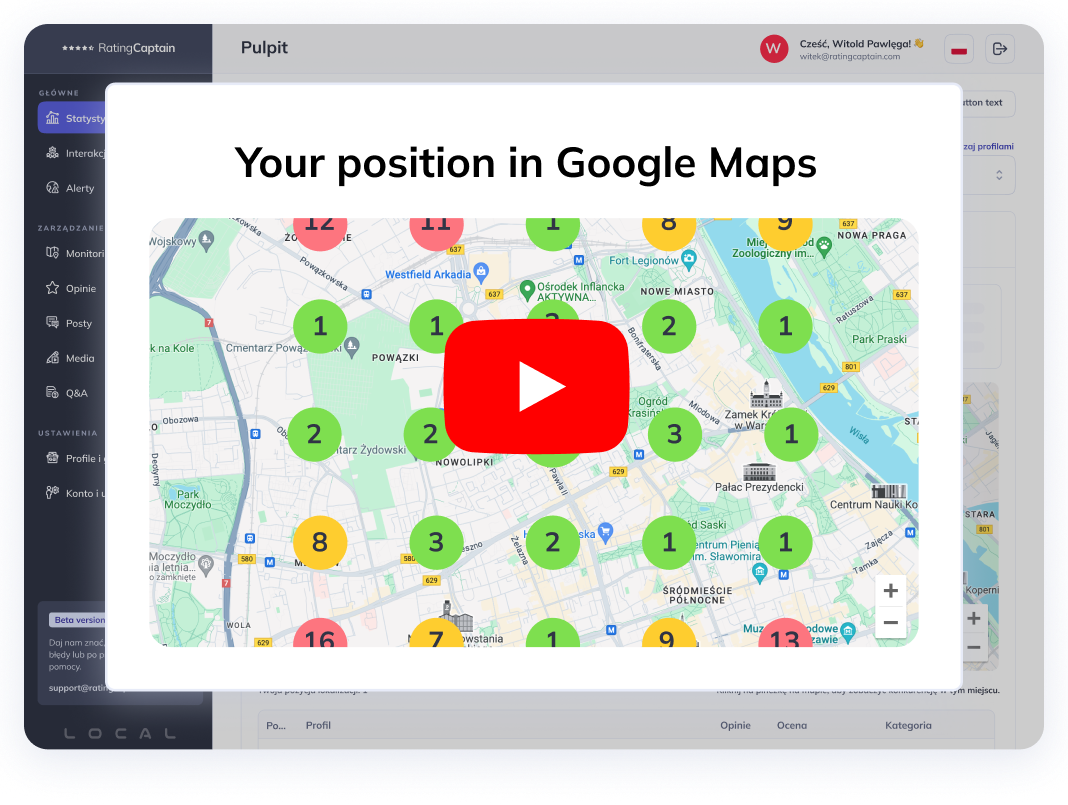

Local SEO tool
for agencies
Automate your local SEO
and track Google Maps visibility
Direct-to-consumer (D2C) brands are no longer just competing online with national or global giants—they’re also vying for the attention of local customers who want fast, convenient, and personalized shopping experiences.
In this landscape, local SEO is a powerful lever for D2C brands seeking omnichannel growth. By integrating local search optimization into their digital strategy, D2C brands can boost visibility, drive both online and in-store sales, and create a seamless customer journey across multiple touchpoints.
Why Local SEO Matters for D2C Brands
Local SEO helps D2C brands appear in search results when customers look for products or services “near me” or within a specific city or region. This is especially important for brands with physical locations, local delivery options, or a desire to build community loyalty.
Even for online-only D2C brands, local SEO can help target specific markets, offer faster shipping, or highlight local partnerships.
Key Benefits:
-
Increased Visibility: Appearing in the “local pack” (top three Google Maps results) can dramatically boost foot traffic and online conversions.
-
Targeted Traffic: Local SEO attracts high-intent customers who are ready to buy, thanks to location-based search queries.
-
Competitive Edge: Smaller D2C brands can compete with larger retailers by dominating local search results and offering unique, localized value propositions.
-
Enhanced Trust and Reputation: Positive reviews, accurate business information, and local engagement build credibility and foster repeat business.
-
Omnichannel Synergy: Local SEO connects online and offline experiences, making it easier for customers to discover, research, and purchase from your brand, no matter where they start their journey.

How D2C Brands Can Leverage Local SEO
1. Claim and Optimize Your Google Business Profile
A well-optimized Google Business Profile (formerly Google My Business) is essential for local visibility. Ensure your profile includes accurate business information, high-quality images, and regular updates. Encourage customers to leave reviews and respond promptly to feedback.
2. Optimize Your Website for Local Keywords
Incorporate local keywords (e.g., “[product] in [city]”) into your website’s content, meta tags, and product descriptions. Create location-specific landing pages for each market you serve.
3. Build Consistent Local Listings and Citations
List your business on relevant local directories and ensure your name, address, and phone number (NAP) are consistent across all platforms. This helps search engines trust your business and improves your rankings.
4. Create Localized Content
Develop content that speaks to your local audience. Mention local landmarks, events, or partnerships, and highlight how your products or services fit into the community. Blog posts, case studies, and customer stories can all be localized to resonate with nearby customers.
5. Focus on Mobile Optimization
Most local searches happen on mobile devices. Make sure your website is fast, responsive, and easy to navigate on smartphones and tablets.
6. Engage with Local Audiences on Social Media
Use social media to connect with local customers, promote events, and share localized content. Social signals can boost your local SEO and help you build a loyal community.
7. Build High-Quality Local Backlinks
Earn backlinks from local websites, news outlets, and influencers. Collaborate with other local businesses or participate in community events to generate buzz and attract links.
8. Encourage and Manage Customer Reviews
Positive reviews on Google, Yelp, and Facebook not only improve your rankings but also build trust with potential customers. Respond to all reviews—positive or negative—to show you value customer feedback.
9. Track and Optimize Local SEO Performance
Monitor your local SEO efforts using tools like Google Analytics and Google Search Console. Track local traffic, conversions, and rankings, and adjust your strategy based on data-driven insights.
The Power of Local SEO for D2C Brands—Statistics That Drive Omnichannel Growth
For direct-to-consumer (D2C) brands aiming to expand their reach and build a seamless shopping experience across digital and physical channels, local SEO is not just a tactic—it’s a necessity.
The following chapter outlines the most compelling statistics that illustrate why local SEO is essential for D2C brands and how it can fuel omnichannel growth.
The Scale and Impact of Local Search
-
80% of US consumers search online for local businesses at least once a week, and 32% do so daily. This highlights the frequency with which potential customers are looking for products and services in their area.
-
97% of consumers use the internet to find local businesses. The vast majority of shoppers turn to search engines and online directories before making a purchase decision.
-
46% of all Google searches have local intent. Nearly half of all searches on Google are made by people seeking local information, products, or services.

Consumer Behavior and Conversion
-
76% of consumers who search for “near me” visit a business within a day. This demonstrates the immediate impact of local search on foot traffic and sales.
-
88% of individuals who use a smartphone for a local search visit a related store within a week. Mobile searches are a powerful driver of in-store visits, making mobile optimization a critical part of any local SEO strategy.
-
50% of mobile local searches result in a store visit on the same day. The convenience of mobile search leads to quick, decisive action by consumers.
-
15% of local SEO leads convert to sales. This conversion rate underscores the high intent of consumers who find businesses through local search.
-
2 in 3 US consumers have already made a decision about what they’re going to buy before visiting a physical store. Local SEO helps ensure your brand is part of that decision-making process.
The Role of Google and Other Platforms
-
72% of consumers use Google to search for local business information. Google remains the dominant platform for local discovery.
-
51% of consumers use Google Maps for local searches. Visibility on Google Maps is essential for attracting nearby customers.
-
Among consumers aged 18–24, Instagram (67%) and TikTok (62%) are top platforms for local business information. Younger audiences increasingly use social media for local discovery, making it important for D2C brands to maintain a strong presence on these channels.
-
Businesses with complete Google Business Profiles are 70% more likely to attract visitors. A well-optimized profile significantly boosts your chances of being found and chosen by local customers.
Traffic and Revenue Growth
-
Local directories generate 226% more website traffic for location-based businesses. Listing your business on relevant directories can dramatically increase your online visibility and drive more visitors to your site.
-
Location-based businesses saw traffic increase from 19.2% to 28.8% between 2020 and 2021. This trend reflects the growing importance of local search in driving business growth.
-
Case studies show that local SEO can lead to a 50% increase in foot traffic, a 30% boost in online sales, and even a 200% increase in membership for service-based businesses. These real-world examples highlight the transformative potential of local SEO for D2C brands.
Trust and Credibility
-
62% of consumers would avoid using a business if they found incorrect information online. Accurate, up-to-date business listings are crucial for maintaining trust and attracting customers.
-
Positive reviews and consistent NAP (Name, Address, Phone number) information are key ranking factors. Managing your online reputation and ensuring consistency across platforms helps build credibility and improve rankings.

The statistics are clear: local SEO is a powerful tool for D2C brands seeking to connect with nearby customers, drive both online and in-store sales, and build a strong, omnichannel presence. By optimizing for local search, maintaining accurate listings, and engaging with your local community, your brand can achieve sustainable growth and stand out in today’s competitive market
Omnichannel Growth Through Local SEO
By integrating local SEO into your omnichannel strategy, you can create a seamless experience for customers who interact with your brand across multiple channels—online, in-store, via mobile, or through social media.
Local SEO helps ensure that customers can find you wherever they search, making it easier for them to move from discovery to purchase, regardless of the channel they prefer.
Examples of Omnichannel Local SEO Tactics:
-
Click-and-Collect: Promote local pickup options on your website and Google Business Profile.
-
Local Promotions: Offer location-specific discounts or events to drive both online and in-store traffic.
-
Community Engagement: Partner with local influencers or organizations to amplify your brand’s presence and generate local buzz.
Conclusion
Local SEO is a vital tool for D2C brands looking to grow their customer base and achieve omnichannel success. By optimizing for local search, D2C brands can increase visibility, build trust, and create a seamless shopping experience that connects online and offline channels.
With a strategic approach to local SEO, D2C brands can stand out in their communities, attract high-intent customers, and drive sustainable growth.
About the Author: Vedran Markovic
Vedran Markovic is an experienced SEO and digital marketing expert who shares practical insights and strategies for online growth. His website, vedranmarkovic.com, offers valuable resources on SEO, content creation, and digital entrepreneurship.
Share this article
Short description (you can edit)
Tip: you can edit the description before sharing on WhatsApp or adding as Facebook quote
Author of the post
Please rate this article
Local SEO tool
for agencies
Automate your local SEO
and track Google Maps visibility